Packs and opening · TCG Card Shop Simulator · read from a local copy
The expansions the game ships
The game keeps a list of expansion names of its own, with the base set sitting in it.
TCG Card Shop Simulator ships more than one card set: the game keeps its own list of expansion names, ties each pack to one of them, and supplies its own artwork for the packs and the cards inside them.
What the game establishes
- The game keeps a list of expansion names of its own, with the base set sitting in it. (checked against the game's own files)
- Each pack is tied to an expansion, and the later sets have packs of their own. (checked against the game's own files)
- The game supplies a front, an icon and a background for a card of a set. (checked against the game's own files)
- There are full-art card fronts as well as icon-only fronts. (checked against the game's own files)
- There is a shop screen for expansions, so a set is bought rather than unlocked by play. (checked against the game's own files)
- The files group hundreds of card images under the set name, and the game ships the pack front for it. (checked against the game's own files)
- The expansion artwork is numbered across a wide range, from single digits into the hundreds. (checked against the game's own files)
- The expansion artwork includes a card icon as well as backgrounds. (checked against the game's own files)
In play
The game ships more than one card set rather than a single pool of cards. It keeps a list of expansion names of its own, and the base set sits in that list beside the later ones, which is why the shop's cards are grouped by set rather than all mixed together.
Each pack belongs to a set. The game ties a pack to its expansion, and the packs for the later sets sit alongside the packs for the base game, so opening a pack always means opening a particular set rather than a random card from anywhere.
The later sets bring their own cards rather than reprints. The files group hundreds of card images under the names of the sets they belong to, and the game supplies a front, an icon and a background for a card of that set.
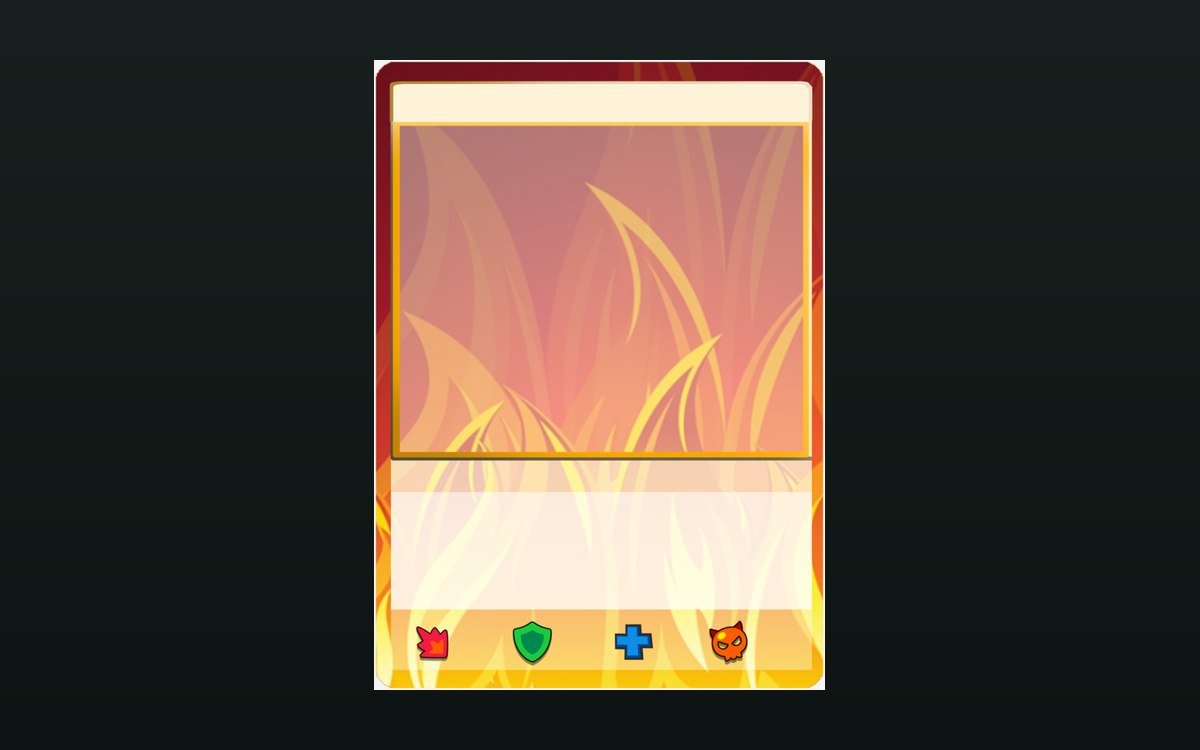
Card fronts are not all the same shape either. There are full-art fronts and icon-only fronts, and there is a front kept for the game's own Destiny set, which is why two cards can look nothing alike even when they are the same rarity.
There is a screen for spending on sets. The game has its own shop screen for expansions, so a set is bought rather than unlocked by playing, and what a set adds can arrive as cards, as packs and as the shelf furniture to sell them from.
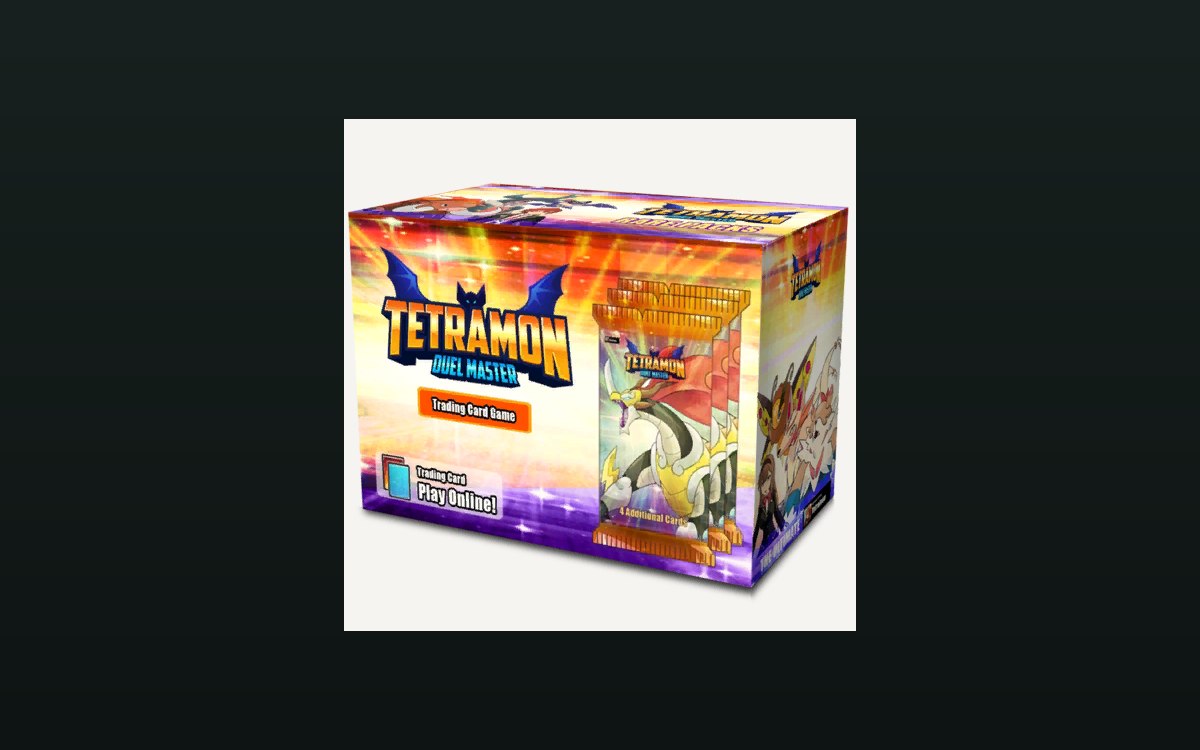
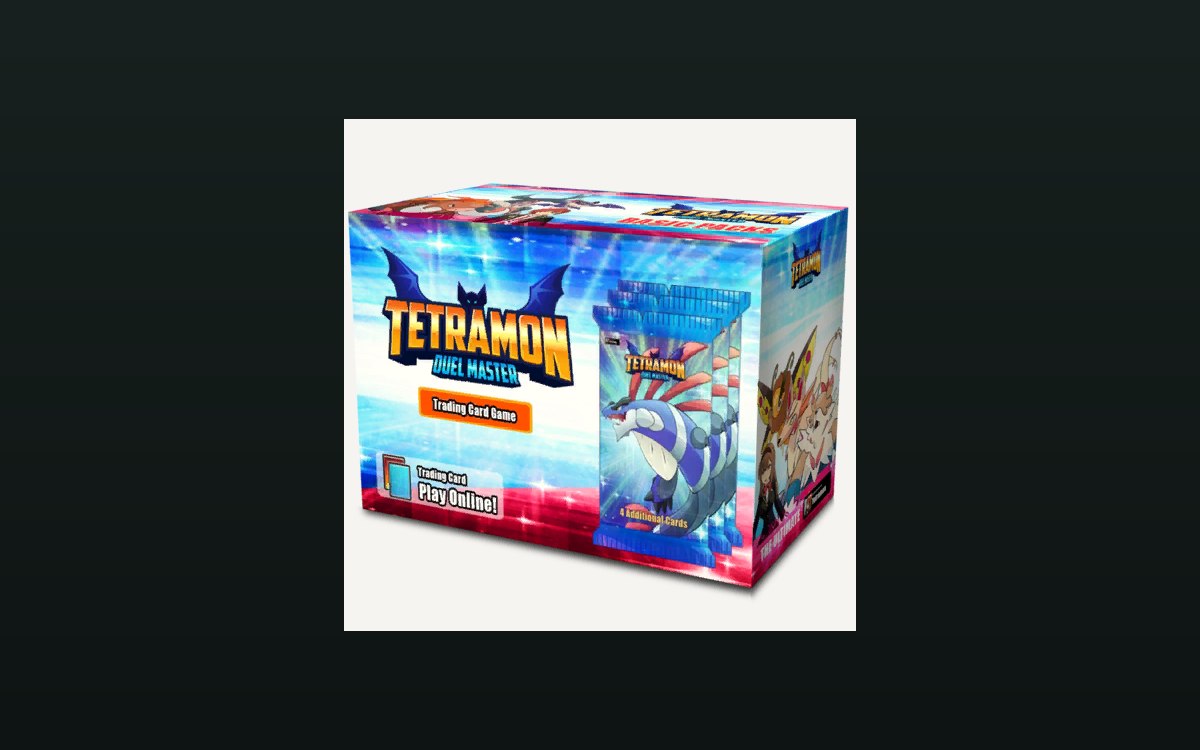
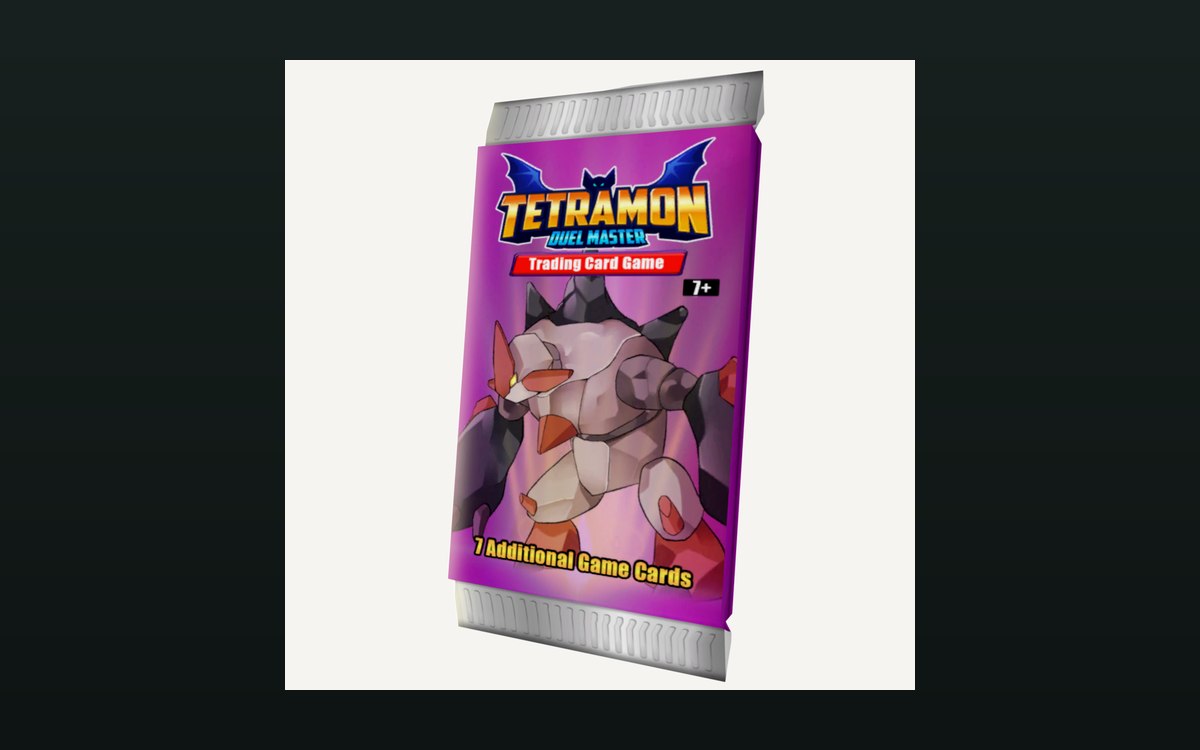
The artwork shown beside this entry is the game's own: the pack front for the Ascension set, and two pieces of card art the files group under that set's name. All three were taken from the installation this site describes.
What this entry does not tell you: how many cards are in each set, what a set costs, or how the sets differ in play. We have not verified those numbers, so we do not print them.
Related
 Cards and rarityCard sets and expansionsCards are grouped into a fixed list of named expansions.
 Packs and openingPacks and opening themPackaging boxes come in separate kinds for cards, items and shelves.
 Cards and rarityHow a card front is builtThe game ships a card front for each element.
Version and sources
A local copy of the game, read only. The grounding for each fact is listed on the technical reference pages; nothing here is estimated. Documented build: no version stated by this build.