Packs and opening · TCG Card Shop Simulator · read from a local copy
The pack and how it opens
The pack is a mesh with an animator of its own.
The pack you open in TCG Card Shop Simulator is an object with a sequence behind it: a pack mesh with its own animator, a transform it lerps in from, an interface group, a new-card icon and a high-value icon, an animation that turns the pack to its front, a list of card displays and positions, and its own effects.
What the game establishes
- The pack is a mesh with an animator of its own. (checked against the game's own files)
- It lerps in from a start transform. (checked against the game's own files)
- The sequence has an opening interface group, a list of card displays and a list of card animations. (checked against the game's own files)
- There are icons for a new card and for a high-value card. (checked against the game's own files)
- An animation turns the pack to its front. (checked against the game's own files)
- There is a list of positions at which the cards are shown. (checked against the game's own files)
- The sequence refers to its own interface object. (checked against the game's own files)
- Opening the pack has its own particle system. (checked against the game's own files)
- The sequence keeps a state index. (checked against the game's own files)
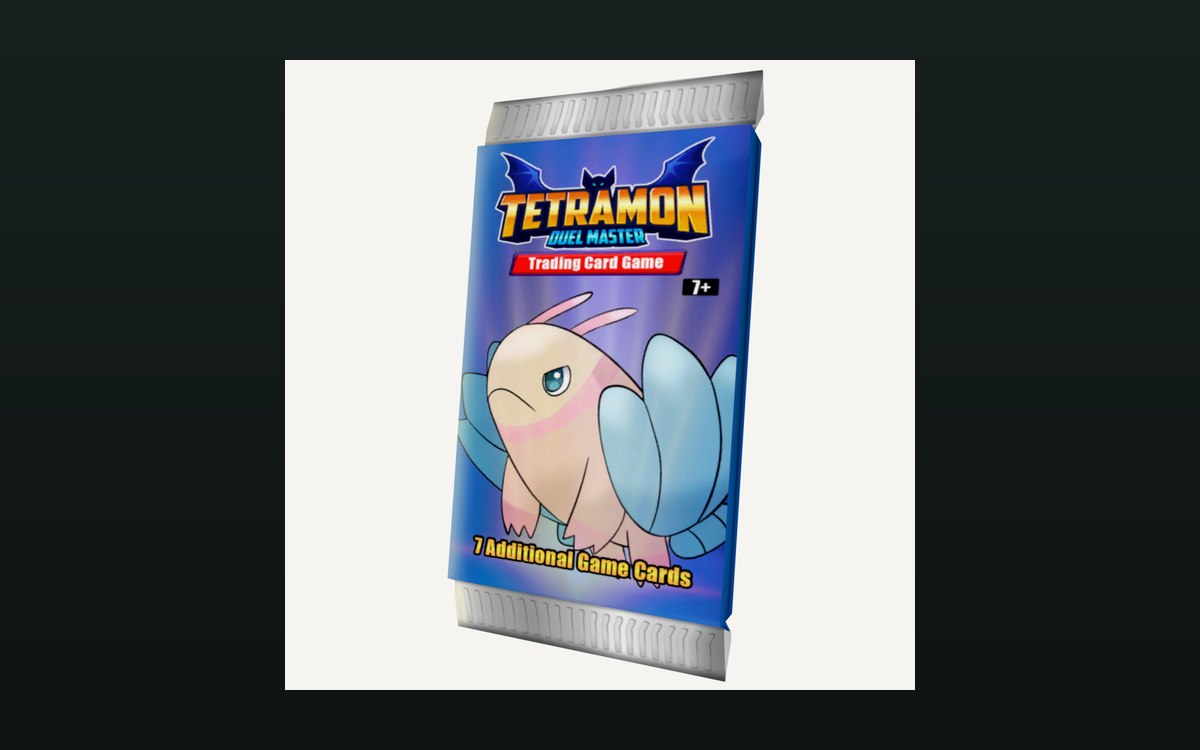
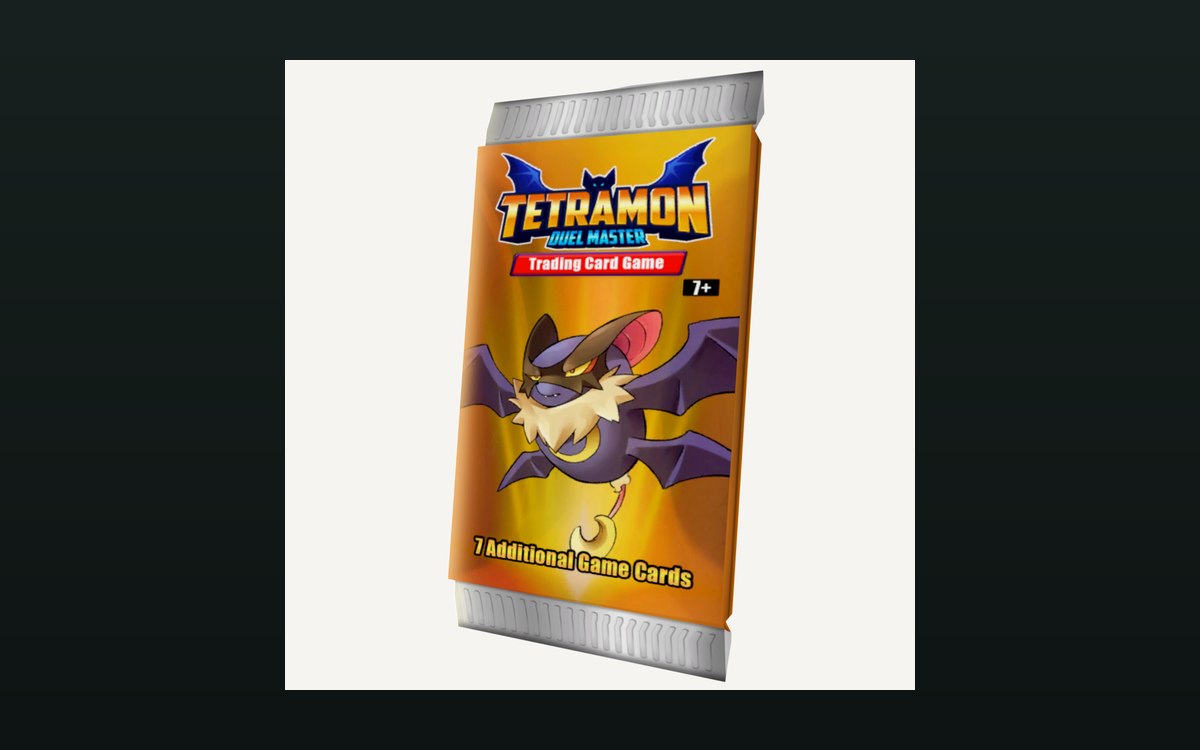
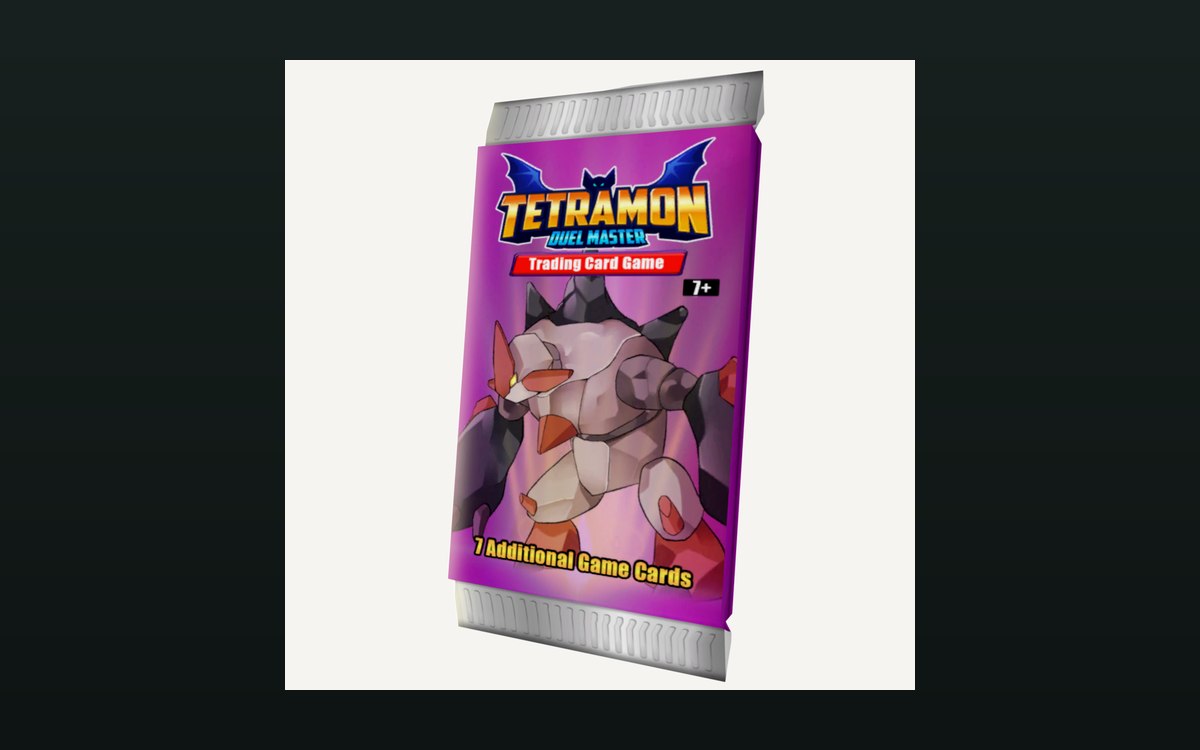
- The game ships a booster pack wrapper of its own, printed with the set and the number of cards. (checked against the game's own files)
In play
The pack itself is an object rather than a menu. It is drawn with a pack mesh and driven by an animator of its own, which is why opening one is something you watch happen in front of you.
It comes in from somewhere. There is a transform the pack lerps from at the start of the sequence, so the pack arrives and settles rather than appearing already centred.
It has an interface attached. There is an opening interface group, a list of card displays and a list of card animations, so the same sequence can present a handful of cards or a full row without being rebuilt.
Icons mark what came out. There is an icon for a new card and a second one for a card of high value, which is how the sequence can flag a pull before you have read anything.
There is an animation that turns the pack to its front. That is what makes the reveal a turn rather than a substitution, and it belongs to the sequence rather than to the pack mesh alone.
There is a list of positions to show the cards at, so where each card ends up is part of the sequence rather than something the cards decide.
It plays effects. There is a particle system for opening the pack, so the moment the wrapper gives way is drawn as well as sounded.
It runs through states. The sequence keeps a state index of its own, which is why it can be interrupted and resumed rather than being a single animation.
What this entry does not tell you: how many cards a pack holds, what the odds of a high-value card are, or how long the sequence takes. We have not verified those numbers, so we do not print them.
Related
 Packs and openingWhat you see when a pack is openedOpening a pack runs as a sequence with its own interface.
 Packs and openingPacks and opening themPackaging boxes come in separate kinds for cards, items and shelves.
Version and sources
A local copy of the game, read only. The grounding for each fact is listed on the technical reference pages; nothing here is estimated. Documented build: no version stated by this build.