Storage and stock · TCG Card Shop Simulator · read from a local copy
How a shelf holds its stock
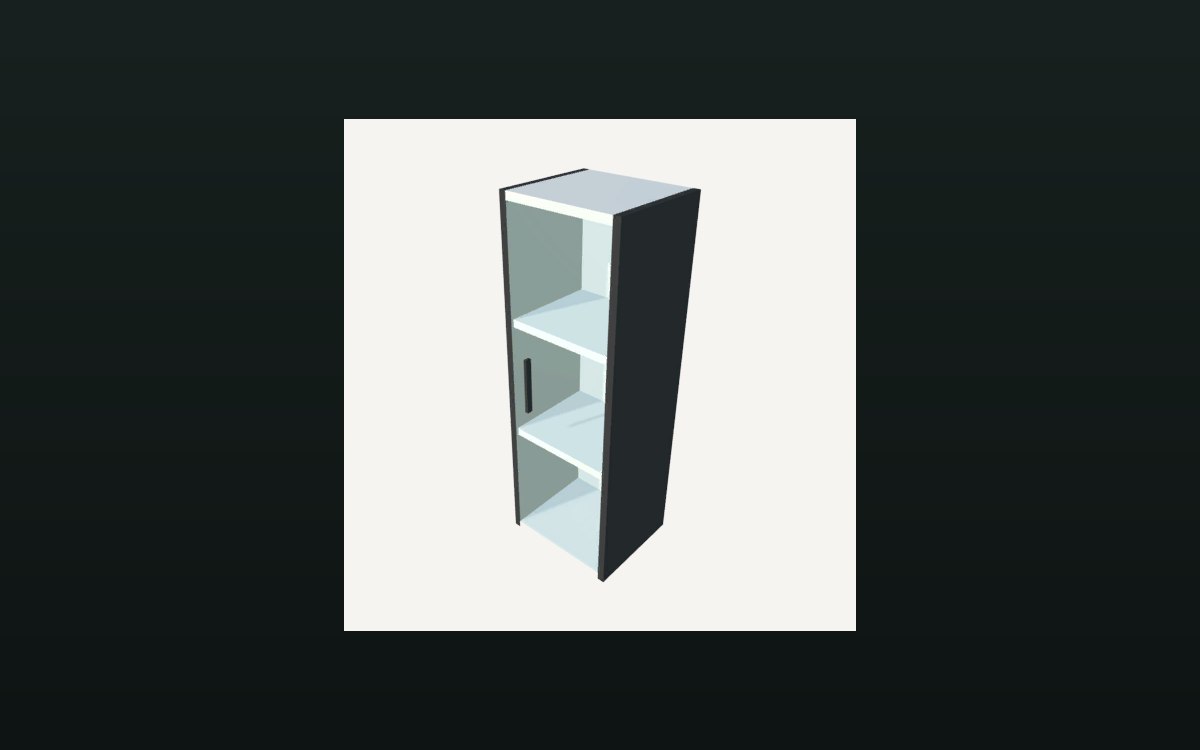
A shelf is divided into compartments.
A shelf in TCG Card Shop Simulator is not one surface: it is divided into compartments, and each compartment decides for itself what it will accept, how big it is and which price tags belong to it.
What the game establishes
- A shelf is divided into compartments. (checked against the game's own files)
- A compartment records what it will accept and whether its label can be locked. (checked against the game's own files)
- A compartment has a recorded size and can be affected by a tall item or able to grow upward. (checked against the game's own files)
- A card compartment has places to put a card, including an alternative for a card that has not been graded, and a mesh it can hide. (checked against the game's own files)
- Cards are kept compactly, with the set, the card index, the amount, whether it is graded and whether it is from the Destiny set. (checked against the game's own files)
- The shop's stock data holds the lists of what is shown, the restock and event data, and the images the screens use. (checked against the game's own files)
- Price tags are attached to the compartment rather than to the product. (checked against the game's own files)
- A box that has not been opened is tracked against the compartment it sits in and a record index. (checked against the game's own files)
- The game ships a picture for an empty slot and one for a frozen slot on a card shelf. (checked against the game's own files)
- A compartment's shape is kept as a start point and the ends of its width, depth and height. (checked against the game's own files)
- It keeps a group for its positions, a group for what is stored on it and a list of the live boxes that belong to it. (checked against the game's own files)
- It has a place for a customer to stand and an aim location for the controller's quick select. (checked against the game's own files)
- It can be told to apply a scale offset. (checked against the game's own files)
- The build ships shelf meshes in a box, a cylinder and an L shape, with a material of its own for the cylinder shelf. (checked against the game's own files)
In play
A shelf in this shop is not one surface. It is divided into compartments, and each compartment decides for itself what it will take, which is why one bay can be filled with boxes while the one beside it holds single items.
A compartment has rules of its own. It records whether an item may be placed, whether a box may be placed, whether the goods on it are not for sale, and whether its label can be locked, so a shop can be organised deliberately rather than treated as one pile.
A compartment has a size. Its width, depth and height are kept separately, and it can be marked as affected by a tall item or as able to grow upward, which is how a shelf reacts when something does not fit the first way you try it.
Cards have a compartment of their own. It keeps a place to put a card and an alternative place for a card that has not been graded, along with a mesh part that can be hidden when it is not needed, which is how a graded card can sit differently from an ordinary one.
Cards are not stored one record per card. The game keeps them compactly: a record carries the set, the card's index, how many of that card there are, whether it is graded and whether it belongs to the game's own Destiny set.
A slot is not always simply full or empty. The game has a picture of its own for a slot that is frozen, which is a state a slot can be in rather than only a description of what is standing on it.
Price tags belong to the compartment rather than to the product. A compartment keeps the tags attached to it, which is why a price can stay with the shelf when the goods on it change.
Boxes that have not been opened are tracked as well. A candidate record ties a live box to the compartment it is stored in and to a record index, which is how a sealed box can sit on a shelf and still be found again.
The images beside this entry are the game's own: the picture it uses for an empty slot on a card shelf and the one it uses for a frozen slot.
A compartment's shape is kept as corners rather than one size: where it starts and where its width, depth and height end, so its volume can be worked out from two points.
It keeps its own groups. There is a group for its positions, a group for the items stored on it and a list of the live boxes that belong to it, along with a place for a customer to stand and an aim location for the controller's quick select.
It can also be told to apply a scale offset, which is how what sits on a compartment follows a change in its size.
What this entry does not tell you: how many compartments a shelf has, how much a compartment holds, or how the cost multipliers on shelves are applied. We have not verified those, so we do not print them.
Related
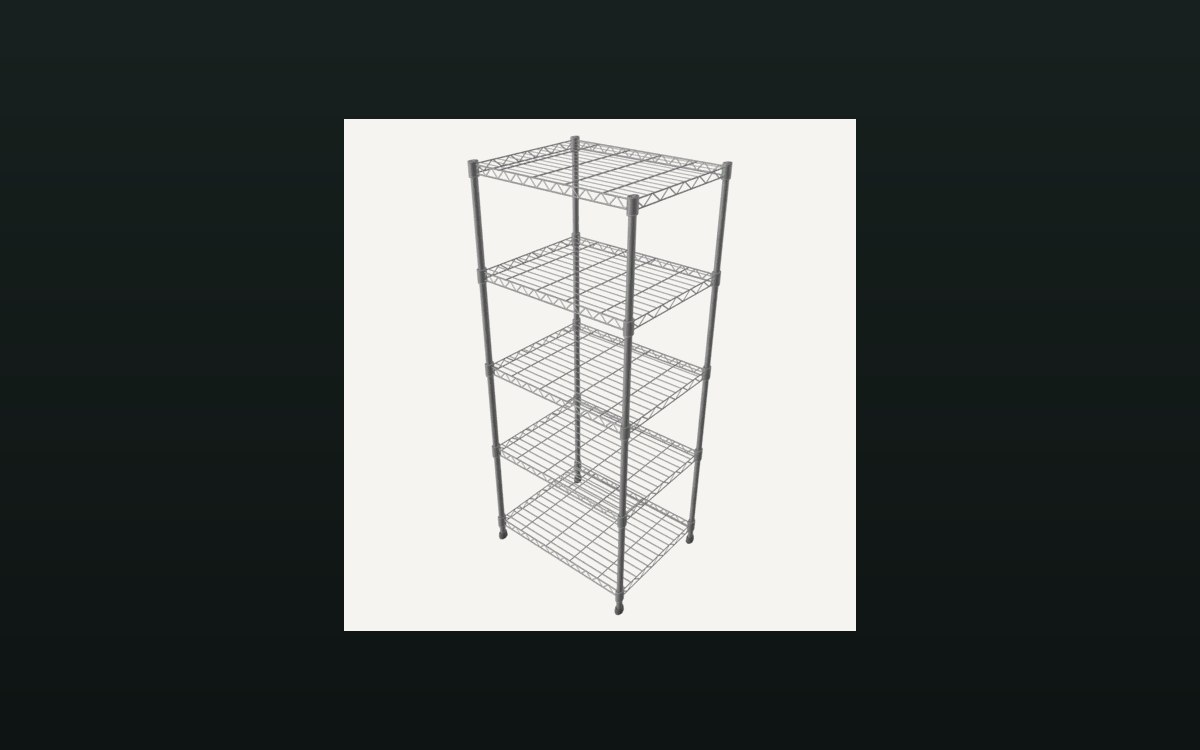 Shop, shelves and fixturesShelves, stock and shop upgradesThere are several shelf kinds, including one for cards and one that combines cards and items.
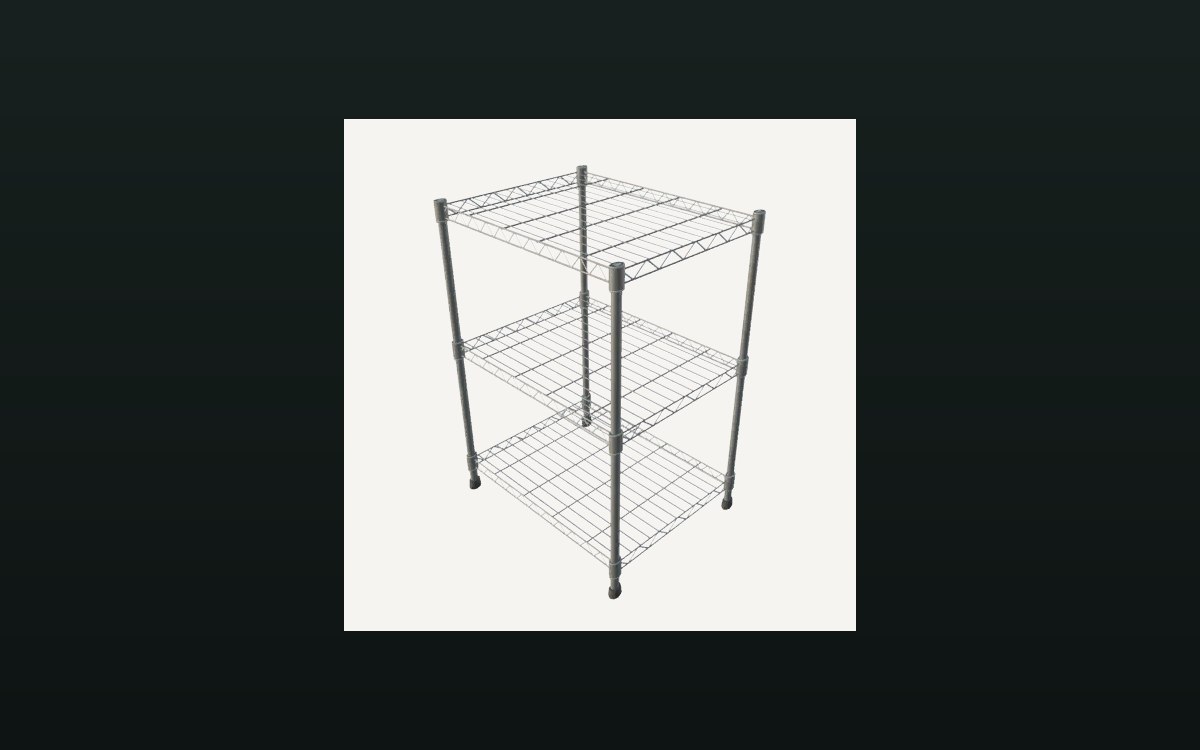 Storage and stockThe warehouse and its shelvesThe warehouse has a shelf type of its own.
Version and sources
A local copy of the game, read only. The grounding for each fact is listed on the technical reference pages; nothing here is estimated. Documented build: no version stated by this build.