
Pricing and the market · TCG Card Shop Simulator · read from a local copy
Price changes and cash at the counter
Price changes are managed as their own system.
Prices in TCG Card Shop Simulator move as a system, not one shopkeeper's decision: the game manages price changes, labels their kinds and handles customers paying cash at the counter.
What the game establishes
- Price changes are managed as their own system. (checked against the game's own files)
- Kinds of price change are labelled in the interface. (checked against the game's own files)
- A customer's cash is handled by the game at the counter. (checked against the game's own files)
- Price information can be shown where the player is. (checked against the game's own files)
- The manager keeps a set list and a generated list for game-event prices, a list of their percentage changes, a list of transactions and a debug flag. (checked against the game's own files)
- The price popup spawner keeps a list of popups, a camera and the colour used when money is added. (checked against the game's own files)
In play
Price changes are managed by the game, and the kind of change is labelled, so a shift in price is an event it can categorise rather than a silent edit.
Cash is handled at the counter as something a customer gives you, so paying is an interaction with its own object rather than an automatic deduction.
Events move prices as well. The manager holds the prices it sets for a game event and the ones it generates from them, the percentage changes between them and a list of the transactions that followed, with a debug flag of its own, which is why a seasonal push on prices can be read as a movement rather than met as a surprise.
Because the game can pop up price information, what changed and by how much can be shown to you where you are standing.
Those pop-ups are kept and coloured. The spawner holds a list of them along with the camera they are placed against and the colour used when money is added, which is why one pop-up can report either a price movement or a payment.
What this entry does not tell you: how often prices move, by how much, or which direction is good for you. We have not verified those numbers, so we do not print them.
Related
 Pricing and the marketPrices and price tagsPrice tags are their own objects attached to goods.
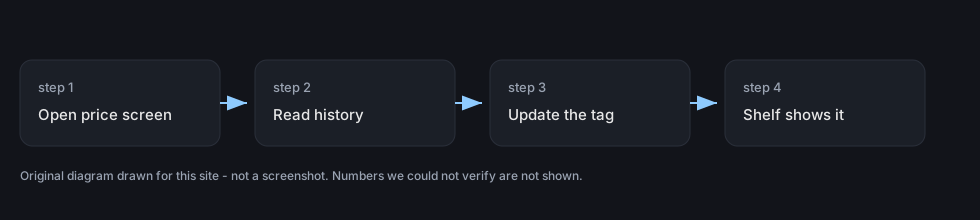 Pricing and the marketPrice history and graphsThere is a screen dedicated to an item's price over time.
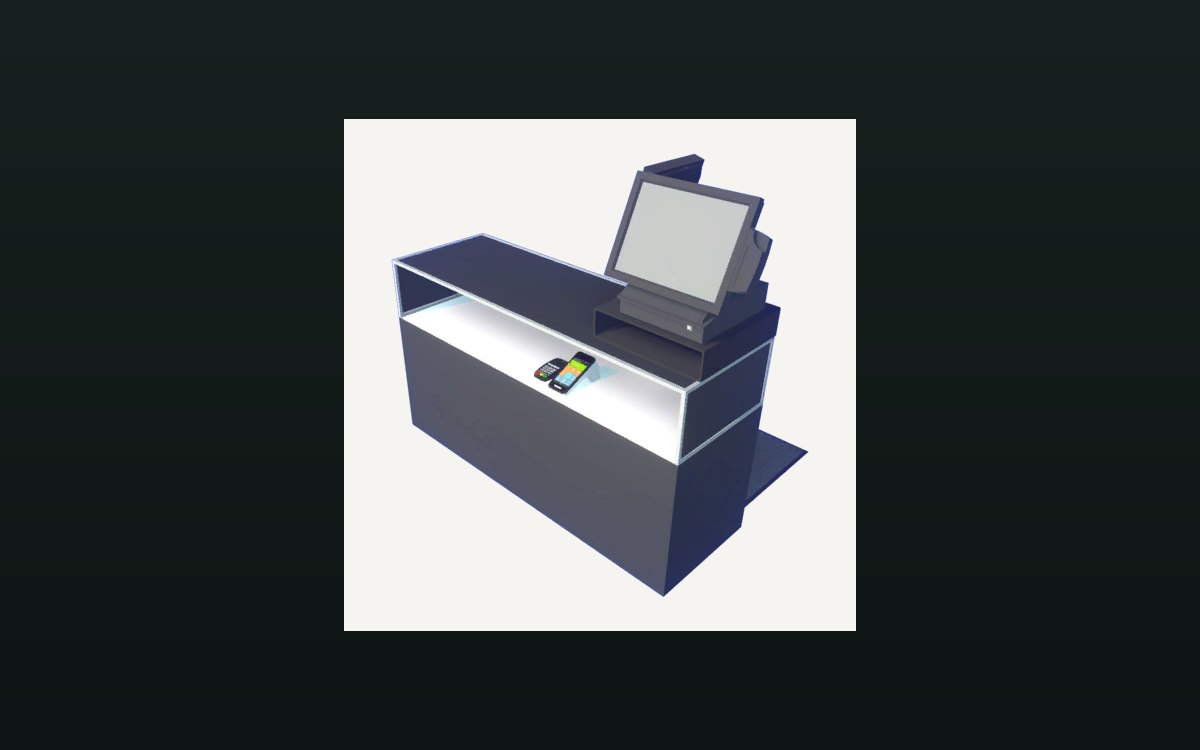 Shop, shelves and fixturesThe counter and money handlingA cash change at the counter is its own interaction.
Version and sources
A local copy of the game, read only. The grounding for each fact is listed on the technical reference pages; nothing here is estimated. Documented build: no version stated by this build.