Customers and trading · TCG Card Shop Simulator · read from a local copy
Why every customer looks different
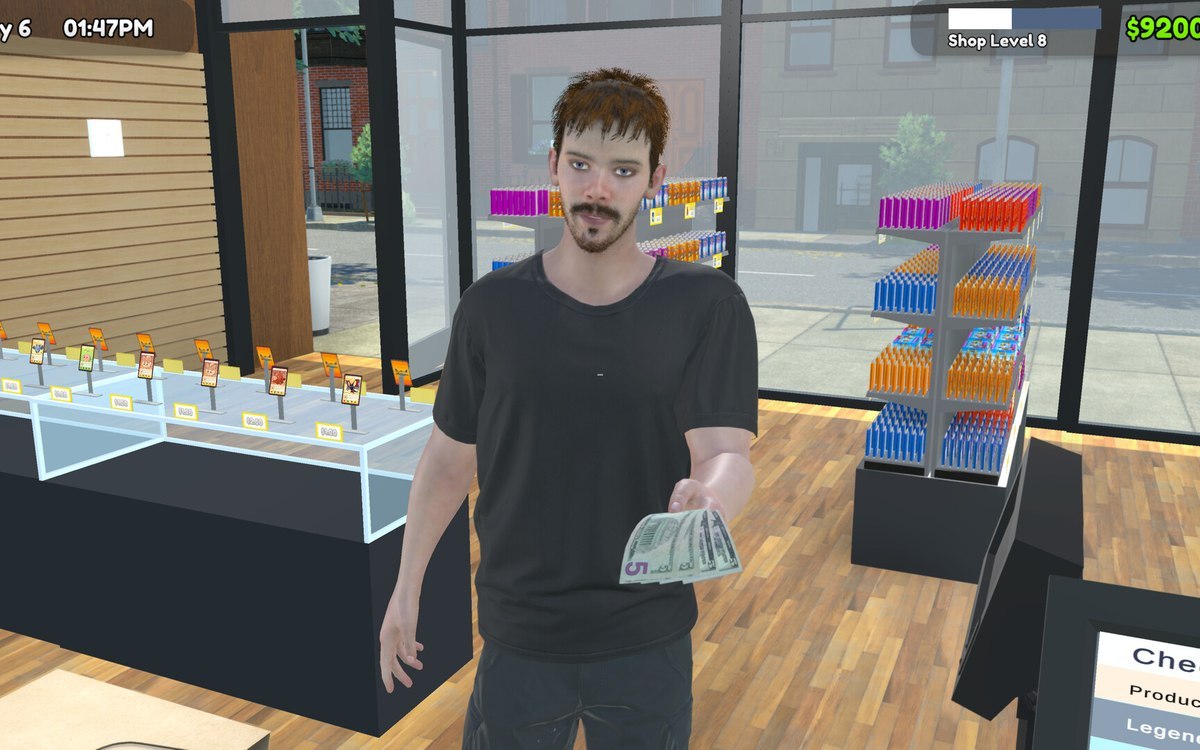
There is a detailed version of both the male and the female customer model.
Customers in TCG Card Shop Simulator are assembled rather than repeated: the game keeps a detailed version of both the male and the female shopper, a separate list for each kind of part, and a bag, cash and prize spots for every one of them.
What the game establishes
- There is a detailed version of both the male and the female customer model. (checked against the game's own files)
- The detailed model is assembled from separate lists for hair, eyebrows, upper body, lower body, footwear and extras. (checked against the game's own files)
- A customer records whether it is female. (checked against the game's own files)
- A customer refers to a custom character of its own. (checked against the game's own files)
- The customer's parts are gathered into a mesh group. (checked against the game's own files)
- A customer carries cash and a shopping bag, each with a transform to hang from. (checked against the game's own files)
- There are prize spots for a big item, an item and a card, plus a second set of the same spots to swap to. (checked against the game's own files)
- Movement is set per customer, with a speed, a rotation smoothing, a waypoint distance and a rate for recalculating the route. (checked against the game's own files)
- Cards held out to a customer have a fanned form and a single-card form. (checked against the game's own files)
- A customer carries debug settings of its own: a cube that can be drawn, a flag for updating its model and an index for the model it shows. (checked against the game's own files)
- A character's foot placement is its own object, with a height offset, a foot rotation and a ball rotation. (checked against the game's own files)
In play
Two shoppers are not the same model recoloured. The game keeps a detailed version of the male customer and a detailed version of the female one, which is why the crowd can hold people rather than one figure repeated.
Those models are assembled rather than painted. There is a list of hair, a list of eyebrows, a list of upper bodies, a list of lower bodies, a list of footwear and a list of extras, so a shopper is put together out of parts the game already has.
Each customer knows which of the two it is. The game records whether a customer is female, which is how the right model and the right parts are chosen for them.
A customer points at its own character. There is a custom character the customer refers to, so the look on screen belongs to that shopper rather than to the crowd as a whole.
The parts are gathered under one group. The customer's meshes are held in a group of their own, which is how a set of parts behaves as one person rather than as separate objects.
What a customer carries is part of the model. A shopper has their own cash and a shopping bag, each with a place to hang from, so the money in their hand and the bag they are filling are attached to them.
There are places to put prizes. Each customer has spots for a big item, for an item and for a card, and a second set of the same spots to swap to, which is how a prize can be handed over without the model having to be rebuilt.
Moving is set per customer. There is a speed, a rotation smoothing, a distance to the next waypoint and a rate for working out the route again, so how a shopper walks is theirs rather than shared by the whole crowd.
Cards can be shown two ways. There is a fanned-out form and a single-card form, which is why a customer can be offered a spread of cards or one at a time.
The look can be inspected as well. A customer carries debug settings of its own — a cube the game can draw, a flag for updating the model and an index for which model it shows — which is how a problem with an assembled shopper can be looked at in place.
Even the feet are placed rather than assumed. The build keeps a foot offset with a height, a foot rotation and a ball rotation of its own, which is why an assembled shopper stands on the floor instead of floating or sinking.
What this entry does not tell you: how many customers the game can build, how many parts each list holds, or how a part is picked. We have not verified those numbers, so we do not print them.
Related
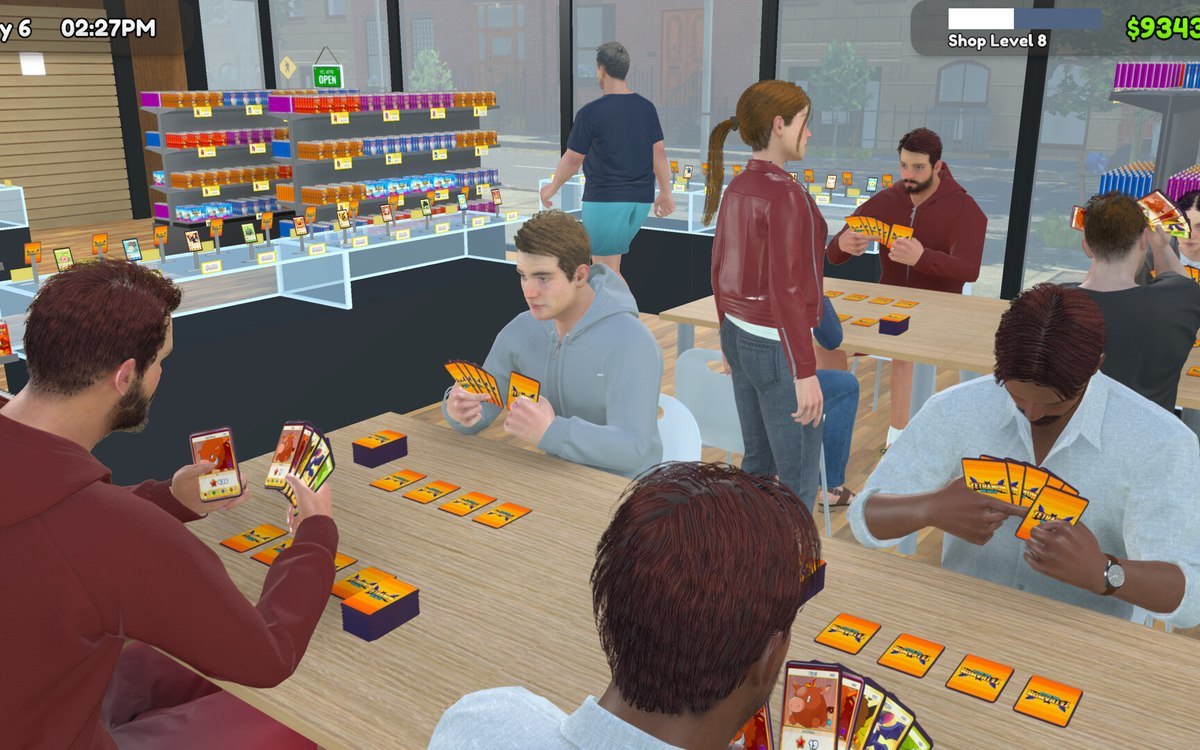 Customers and tradingThe profile behind each customerEach kind of customer has a profile of its own with a name, a kind and a rate at which it appears.
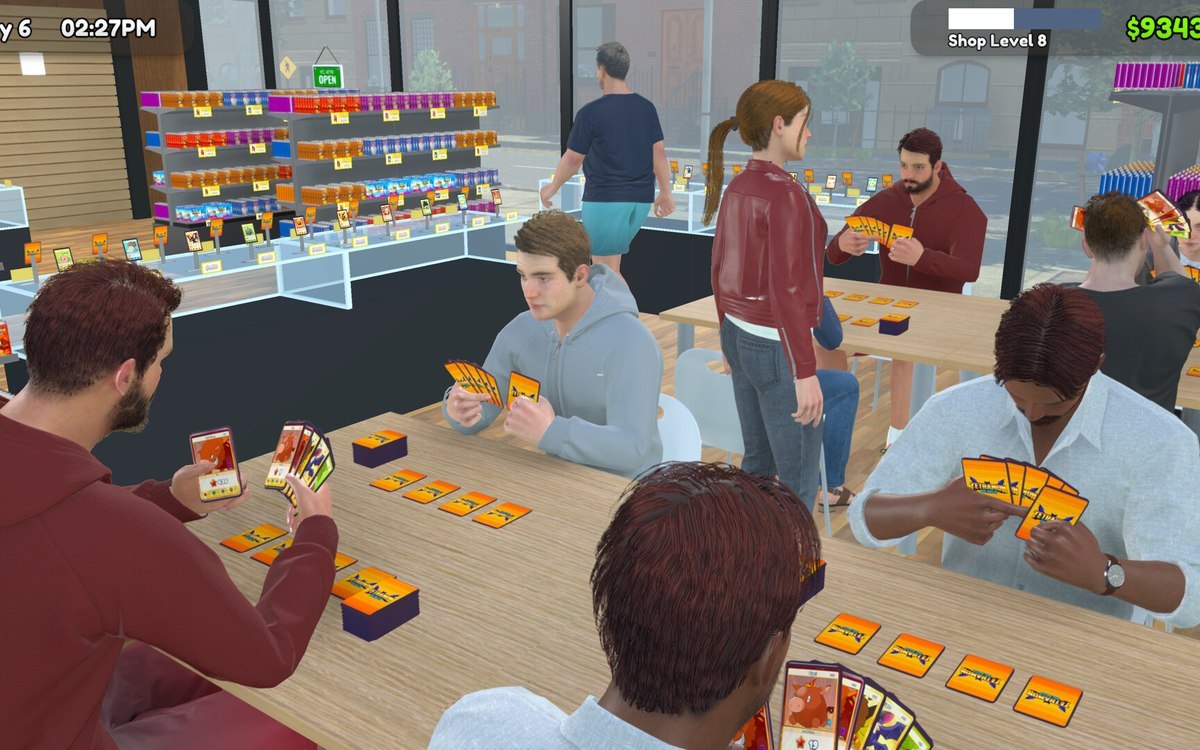 Customers and tradingThe kinds of customers you getCustomers come in a fixed list of kinds.
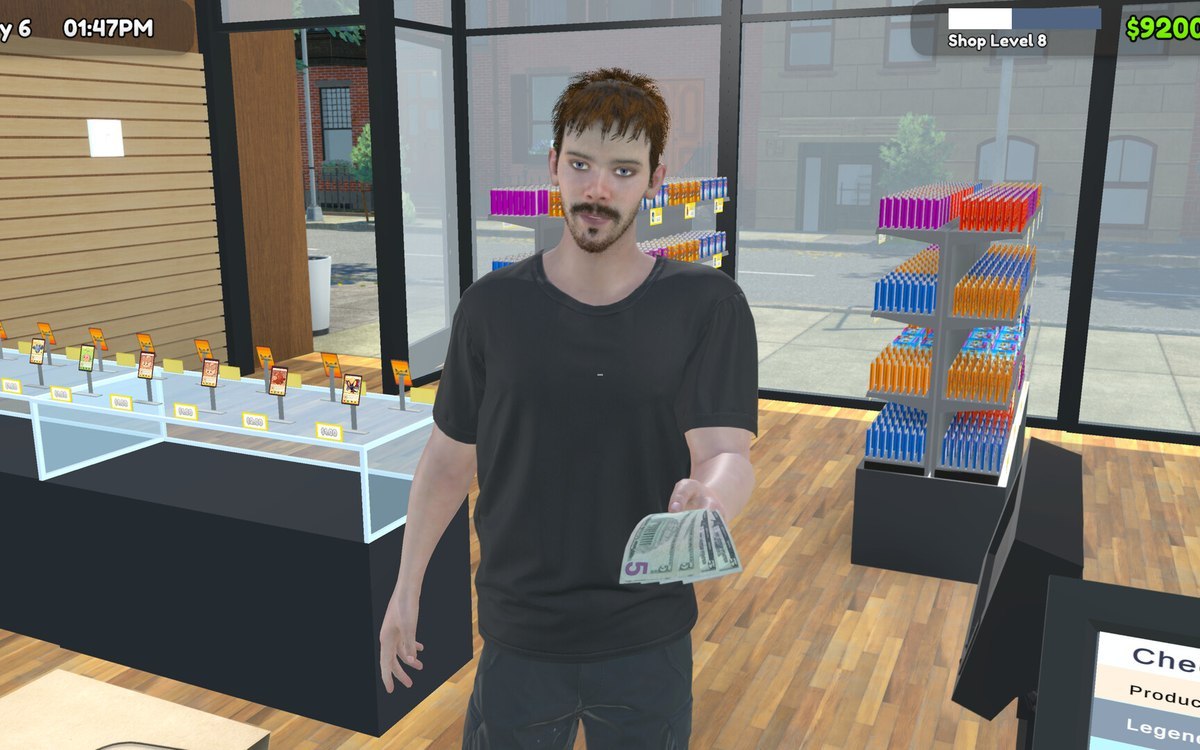 Customers and tradingWhat a customer carries and how it movesA customer follows a path with a seeker and a start-and-end modifier, at its own speed, waypoint distance, repath rate and rotation lerp.
Version and sources
A local copy of the game, read only. The grounding for each fact is listed on the technical reference pages; nothing here is estimated. Documented build: no version stated by this build.